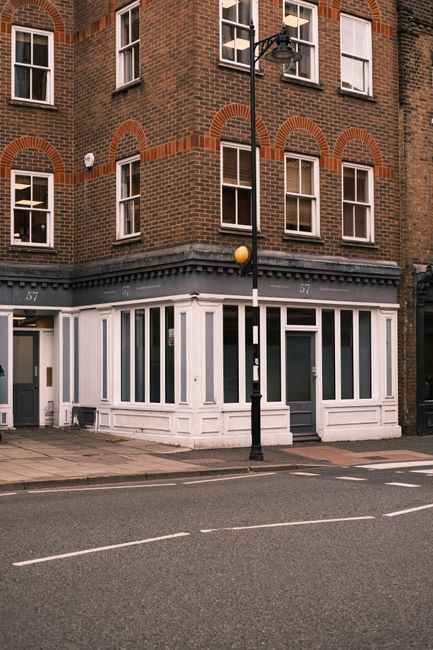
Office cleaning for Roehampton businesses near Putney Bridge
If you run a workspace in Roehampton, you already know how quickly an office can go from "fine for now" to quietly chaotic. Coffee rings appear, bins fill up, reception starts looking tired, and the kitchen somehow develops a smell nobody wants to claim. Office cleaning for Roehampton businesses near Putney Bridge is really about keeping that everyday environment steady, presentable, and safe without making a fuss about it.
That sounds simple. In real life, it rarely is. Different offices need different routines, staff schedules get messy, and shared buildings around Roehampton and the Putney Bridge area often come with their own access rules, footfall patterns, and expectations. This guide breaks the whole thing down in plain English: what office cleaning covers, how it usually works, what good service looks like, where mistakes creep in, and how to choose a setup that actually suits your business.
Whether you manage a small office, a professional practice, a local branch, or a growing team that has outgrown the "someone will sort it later" approach, the aim here is to help you make a cleaner, calmer decision. And yes, with fewer headaches. That part matters.
Table of Contents
- Why it matters
- How it works
- Key benefits and practical advantages
- Who this is for and when it makes sense
- Step-by-step guidance
- Expert tips for better results
- Common mistakes to avoid
- Tools, resources and recommendations
- Law, compliance, standards, or best practice
- Options, methods, or comparison table
- Case study or real-world example
- Practical checklist
- Conclusion
- Frequently asked questions
Why Office cleaning for Roehampton businesses near Putney Bridge Matters
A clean office does more than look tidy. It shapes how people work, how clients feel when they walk in, and how smoothly the day runs. In Roehampton, where businesses may sit near residential streets, transport routes, university activity, or mixed-use buildings, the standard needs to be consistent. You do not want the office looking sharp on Monday and forgotten by Thursday.
Let's face it, most people notice cleaning when it is missing. The bin by the desk starts to smell. The lift has fingerprints. The washroom soap dispenser is empty again. Tiny things, but they add up fast. And once they start adding up, staff tend to work around them rather than mention them, which is never a great sign.
There is also a practical side. Office dirt is not just visible dirt. Dust builds up around vents, under desks, and on shared equipment. High-touch areas like door handles, switches, kettle handles, and breakroom counters can become hygiene weak spots if they are not cleaned properly and often enough. A sensible cleaning plan helps reduce that background clutter and keeps your workplace feeling under control.
For businesses near Putney Bridge, there is another consideration: traffic, weather, and daily footfall. London drizzle on shoes, grit in entrances, and muddy marks from the street all get brought indoors. By mid-morning on a wet day, the floor can already need attention. That is not dramatic. It is just office life in this part of London.
Key takeaway: good office cleaning is not a luxury add-on. It is part of running a professional workplace that people can trust, use comfortably, and return to the next day without a sigh.
How Office cleaning for Roehampton businesses near Putney Bridge Works
Most office cleaning arrangements follow a simple pattern: assess the space, agree the tasks, set the schedule, and then keep the routine consistent. The detail matters, though. A two-room consultancy will not need the same plan as a busy shared office or a practice with regular visitors.
A proper service usually starts with a walk-through or a detailed discussion of the layout. That is where the cleaner or provider learns what the building contains, how many people use it, what surfaces need extra care, and which rooms need attention daily versus weekly. You might think every office is just desks, bins, and a kitchen. Then you open the cupboards and realise there is more to it, as always.
Typical office cleaning tasks can include:
- vacuuming and mopping floors
- dusting desks, shelves, ledges, and skirting where appropriate
- emptying waste bins and replacing liners
- cleaning kitchens and staff break areas
- wiping reception areas and meeting rooms
- sanitising high-touch points such as handles and switches
- cleaning washrooms and replenishing consumables if agreed
- spot-cleaning glass, internal doors, and visible marks
Some businesses only need a light daily clean. Others need a deeper weekly or fortnightly clean layered on top. In practice, the best arrangement is the one that matches usage rather than wishful thinking. A small office with five people working mostly remotely may not need the same intensity as a busy agency with visitors every afternoon.
If the office includes carpets, soft furnishings, or hard flooring that sees heavy use, specialist treatments may be worth including. For example, commercial carpet care or hard floor cleaning can help prolong the life of surfaces that get worn out by constant traffic. That is especially useful in entrance areas where shoes bring in dust and moisture from outside.
Good office cleaning also works around your business hours. Many Roehampton businesses prefer early mornings, evenings, or weekend visits so staff are not dodging mops and vacuum leads during the workday. Sensible scheduling makes a noticeable difference. Nobody enjoys taking a call while someone is emptying the vacuum beside them.
Key Benefits and Practical Advantages
There are obvious benefits to clean offices, and then there are the quieter ones that only become obvious when they are missing. The obvious ones are presentation and hygiene. The quieter ones are focus, morale, and fewer little disruptions.
Here is what tends to improve when office cleaning is done properly:
- Better first impressions: clients and visitors notice tidy reception areas, clean floors, and fresh-smelling communal spaces straight away.
- More comfortable staff environment: people are usually calmer and more settled when the workplace feels looked after.
- Reduced build-up of dust and grime: this is especially helpful in shared areas and on frequently touched surfaces.
- Longer life for surfaces and furnishings: regular maintenance helps carpets, flooring, and upholstery stay presentable for longer.
- Less internal friction: fewer complaints about bins, washrooms, kitchens, and "who left this here?" moments.
- Better routine and accountability: a defined cleaning schedule stops tasks falling through the cracks.
There is also a reputational benefit that people underestimate. If you host clients, candidates, suppliers, or contractors, a clean office quietly tells them your business is organised. Not flashy. Just competent. That is often what people remember.
For small businesses in particular, the difference between "we keep on top of it" and "we are always almost on top of it" can be huge. The second option tends to create background stress. The first one frees up time and headspace. And in a busy working week, that counts.
Practical summary: reliable office cleaning is not just about appearance. It supports daily operations, helps maintain standards, and makes your office easier to work in, every single day.
Who This Is For and When It Makes Sense
Office cleaning services suit a wide range of businesses, but the right setup depends on how your space is used. If your office has visitors, shared facilities, open-plan desks, or a reception area that needs to look polished, regular cleaning usually makes sense from day one.
This is often the right fit for:
- professional services firms
- small and medium-sized offices
- consultancies and agencies
- medical-adjacent or client-facing workplaces
- shared offices and managed workspaces
- property, legal, financial, and admin offices
- businesses with staff kitchens and washrooms
It also makes sense if you have noticed any of the following:
- staff are cleaning their own areas in an inconsistent way
- reception looks tired by the end of the week
- bins or washrooms are becoming a recurring complaint
- the office is difficult to keep presentable during busy periods
- you are preparing for a client visit, audit, move, or rebrand
Sometimes the trigger is seasonal. Winter brings wetter floors and more mud. Summer can bring more dust and more footfall if people leave windows open or move in and out frequently. Other times it is a practical business change: new staff, more visitors, a new landlord requirement, or simply the feeling that the place is no longer keeping pace with the company.
If you are trying to decide whether you need a one-off clean, a regular cleaning arrangement, or a deeper reset first, the answer is often: start with what the space needs now, then build from there. Truth be told, many offices benefit from a proper deep clean before moving onto routine maintenance. It gives the whole place a cleaner baseline.
Step-by-Step Guidance
If you want office cleaning to work well, the process should be more structured than "someone turns up and does a bit of everything." A clearer plan always leads to better results.
- Assess the office properly. Walk the space and note desks, meeting rooms, washrooms, kitchen areas, floors, windows, carpets, and any sensitive equipment or restricted zones.
- Identify priorities. Decide what must be cleaned daily, what can be done weekly, and what needs occasional deep cleaning. Reception and toilets are usually top of the list.
- Set practical access arrangements. Agree keys, alarms, entry instructions, and the best times to attend. In busy London buildings, access details can make or break the routine.
- Define the scope in plain language. Be specific about what "clean" means in your office. For example: wipe desks only where clear, or clean around items on desks? Small detail, big difference.
- Choose suitable products and methods. Different surfaces need different treatment. Glass, wood-effect furniture, hard flooring, and washroom fittings should not all be handled the same way.
- Build in checks. A quick review after the first few visits helps catch issues early. That could be missed corners, inconsistent bin emptying, or a room being skipped.
- Adjust the plan. Offices change. Teams grow, rooms get repurposed, and usage patterns shift. A good cleaning plan is flexible, not fixed forever.
A small example: a Roehampton office with six staff and one meeting room may only need bins, floors, kitchen, and washroom cleaning three times a week. Add a client waiting area and more foot traffic, and the plan may need to move to daily attention in certain zones. The "right" answer is rarely universal. It depends on the rhythm of the space.
And yes, people sometimes overcomplicate this. They assume they need a grand operating model, when really they need consistency, clear expectations, and a bit of common sense. That goes a long way.
Expert Tips for Better Results
In our experience, the best office cleaning outcomes come from a few unglamorous habits done well. Not fancy. Just disciplined.
Keep clutter under control
Cleaning around clutter is slower and less effective. If desks are piled with papers, boxes, and personal bits, the clean will be limited. Encourage staff to keep worktops clear at least at the end of the day where possible. It makes the next clean much more effective.
Focus on high-touch points first
Door handles, switches, shared kitchen surfaces, taps, and lift buttons need consistent attention. These are the places people touch constantly without thinking. They deserve priority over low-traffic surfaces that stay clean longer.
Use room-by-room standards
Different areas need different expectations. Reception should be presentable. Kitchens should be hygienic. Meeting rooms should be dust-free and neat. Store rooms may only need periodic attention. Treating every room exactly the same can waste time and money.
Do not ignore floors
Floors shape the overall feel of the office more than people expect. A clean floor makes the whole place look better, even if the rest of the office is only moderately tidy. If the flooring is hard-wearing, consider occasional specialist care to stop dullness and scuffing from building up.
Schedule a deeper reset now and then
Routine cleaning keeps things under control, but every office occasionally needs a more detailed clean. Corners, skirting, under desks, behind bins, and around furniture can get neglected in day-to-day work. A periodic deep clean brings the place back to baseline.
One more thing: if staff keep saying "the office is fine, just a bit dusty," they may be underestimating how much a proper clean would change the feel of the place. Dust has a funny way of making everything look half-finished.
Common Mistakes to Avoid
Most office cleaning problems are not dramatic. They are small oversights that repeat. That is what makes them so annoying.
- Being too vague about the scope: if tasks are not clearly defined, gaps appear fast.
- Choosing the cheapest option without checking what is included: low quotes can hide limited time on site or a very narrow list of tasks.
- Ignoring access and security details: if cleaners cannot get in smoothly, the service becomes inconsistent.
- Forgetting special surfaces: some flooring, furniture, and fixtures need gentler or more suitable treatment.
- Letting kitchen and washroom cleaning fall behind: these spaces affect how the whole office feels, and not in a subtle way.
- Skipping reviews: a quick check-in after the first few cleans helps catch problems before they become habits.
Another common slip is assuming one clean will fix a long-standing issue. Sometimes it does help a lot, but if the office has been neglected for months, you may need a deeper initial service before normal routines can work properly. That is just how it is.
There is also a tendency to over-clean the visible bits and forget the less glamorous ones. Reception looks great; behind the printer, less so. One is nice to look at, the other is what staff actually live with every day.
Tools, Resources and Recommendations
The best cleaning plan is usually supported by simple tools, sensible products, and a clear routine. You do not need a warehouse full of equipment. You do need the right basics.
Useful cleaning essentials
- microfibre cloths for dusting and surface wiping
- colour-coded cloths or equipment where appropriate to help separate tasks
- vacuum cleaners suitable for office flooring and carpets
- mops and buckets for hard floors
- non-abrasive products for desks, screens, and furniture surfaces
- washroom-safe cleaning agents for sinks, toilets, and tiles
- liners and waste bags sized correctly for bins
Service pairings worth considering
Some offices benefit from related cleaning services alongside routine office cleaning. For example, if carpets look worn or stains keep reappearing in meeting rooms, commercial carpet cleaning can help restore a more professional look. If the workplace has polished or sealed flooring, hard floor cleaning may be the better fit. And if windows are making the office feel dull, window cleaning can make an unexpectedly big difference to natural light and overall mood.
If your office has built up more grime than usual after a renovation, relocation, or intense busy period, a more intensive reset from deep cleaning may be useful before returning to routine maintenance. That can save a lot of frustration later.
For businesses that want a longer-term cleaning rhythm, regular cleaning is usually the most stable way to keep standards consistent. The aim is not perfection. The aim is predictability, which is much more useful in real offices.
Law, Compliance, Standards, or Best Practice
Office cleaning sits inside a broader duty of care. Businesses are generally expected to keep workplaces reasonably clean, safe, and suitable for staff and visitors. The exact obligations depend on the type of premises and how they are used, so it is wise to treat compliance as a practical issue rather than a box-ticking exercise.
A few best-practice points matter here:
- Health and safety: cleaning should be carried out in a way that reduces slips, trips, and chemical misuse.
- Risk awareness: wet floors, electrical equipment, and access routes need sensible handling.
- Product use: cleaning products should be stored and used correctly, especially in offices with shared kitchens or sensitive equipment.
- Insurance and accountability: it is sensible to know what cover and procedures are in place if something goes wrong.
For peace of mind, many businesses like to check a provider's health and safety policy and insurance and safety approach before starting. That does not mean you need a legal seminar. It just means everyone knows where they stand.
Payment, scheduling, and service expectations matter too. A clear agreement helps avoid confusion later, especially around timings, access, cancellations, and scope. If you are comparing providers, it can also help to review terms and conditions and pricing and quotes so the arrangement is transparent from the start.
If your business values sustainability, waste handling and product choices may also matter. In that case, recycling and sustainability practices can be part of a cleaner, more responsible office routine. Nothing flashy. Just sensible.
Options, Methods, or Comparison Table
Different office setups need different cleaning methods. The comparison below gives a practical overview of common options and where each one tends to fit best.
| Cleaning approach | Best for | Strengths | Watch-outs |
|---|---|---|---|
| Daily routine cleaning | Busy offices with visitors or shared facilities | Keeps standards steady and prevents build-up | Needs clear scope and regular review |
| Weekly cleaning | Smaller teams or lower-footfall offices | Cost-efficient and simple to manage | Can be too light for high-use washrooms or kitchens |
| Deep cleaning | Office resets, seasonal refreshes, or neglected spaces | Reaches hidden dirt and restores the baseline | Not a substitute for ongoing routine care |
| Specialist surface cleaning | Carpets, hard floors, windows, upholstery | Extends the life of key surfaces | May need separate scheduling and budget |
For many Roehampton businesses, the best answer is a mix: regular cleaning for day-to-day standards, plus occasional specialist work where the office needs it most. That blended approach is usually more realistic than relying on one method alone.
And no, a spotless-looking reception on its own does not mean the whole office is sorted. Nice try, though.
Case Study or Real-World Example
Imagine a small professional office near the Roehampton to Putney Bridge corridor with eight staff, one meeting room, a compact kitchen, and a reception area used for client arrivals. For months, the team handled cleaning informally. It sort of worked. Until it didn't.
At first, the issues were minor: an untidy sink, bins filling early, fingerprints on glass doors, and a floor that started to lose its fresh look by Thursday afternoon. Then visitors began arriving more often, and the office stopped feeling quite as polished as the business itself.
The solution was not dramatic. They introduced a regular cleaning schedule focused on the areas that mattered most: entrance, desks, kitchen, washroom, meeting room, and floors. After that, they added periodic deep cleaning for the spots routine maintenance was never going to catch properly. A one-off carpet treatment helped with some stubborn marks near the entrance, and the office suddenly looked far more settled.
The useful lesson here is simple: most offices do not need a complicated cleaning strategy. They need one that matches their real use. Once the cleaning pattern fits the business, everything feels easier. Staff stop improvising. Clients notice less clutter. The office becomes one less thing to worry about.
That calmer atmosphere is hard to put a number on, but you feel it. Especially on a rainy London morning when the place already smells fresh, the floors are dry, and nobody is muttering about the bins. Lovely.
Practical Checklist
Use this checklist when reviewing office cleaning for your Roehampton business near Putney Bridge.
- Have you listed every area that needs cleaning, including reception, kitchen, washrooms, and meeting rooms?
- Do you know what needs daily attention versus weekly or occasional attention?
- Are access times, alarms, and entry instructions clearly agreed?
- Have you identified high-touch points that should be prioritised?
- Is there a plan for floors, carpets, and windows if they need specialist care?
- Are the products and methods suitable for the surfaces in your office?
- Have you checked the provider's health and safety approach?
- Do you understand the quote, scope, and service schedule?
- Is there a simple way to review quality after the first few visits?
- Have you thought about sustainability and waste handling where relevant?
If you can tick most of those off, you are in a much better position than most offices that simply hope for the best. Hope is not a cleaning strategy. Useful, sometimes, but not enough.
Conclusion
Office cleaning for Roehampton businesses near Putney Bridge works best when it is treated as part of the office routine, not a last-minute fix. The right plan keeps the workplace presentable, supports staff comfort, and helps your business give a better impression without constant firefighting.
Start with the spaces people use most, keep the expectations clear, and choose a schedule that fits your actual workflow. If needed, add deeper periodic cleaning or specialist treatments for carpets, floors, and windows. A good setup should feel steady, not complicated.
Most of all, aim for consistency. That is what people notice. Not perfection, just a place that feels cared for and ready for work.
Get a free quote today and see how much you can save.
Frequently Asked Questions
How often should office cleaning be done for a Roehampton business?
It depends on office size, footfall, and how many shared spaces you have. Busy offices with reception areas, washrooms, and kitchens often need daily cleaning, while smaller low-traffic spaces may manage with fewer visits. The best schedule is the one that matches how the office is actually used.
What does office cleaning usually include?
Typical office cleaning includes vacuuming or mopping floors, emptying bins, wiping desks and surfaces, cleaning kitchens and washrooms, and dealing with high-touch points like handles and switches. Some businesses also add window cleaning, carpet care, or periodic deep cleaning.
Is office cleaning different from commercial cleaning?
There is overlap, but office cleaning is usually more focused on desks, workstations, reception areas, meeting rooms, and staff facilities. Commercial cleaning is a broader term and can include retail, industrial, and other types of premises too.
Do I need a deep clean before starting regular office cleaning?
Often, yes. If the office has not been properly cleaned for a while, a deep clean gives you a better starting point. After that, regular cleaning can keep standards stable instead of constantly chasing built-up dirt.
How do I know if my office needs specialist carpet cleaning?
If carpets look flat, dull, stained, or hold onto odours, specialist carpet care can help. Office carpets take more punishment than people realise, especially near entrances and meeting rooms where traffic is constant.
Can office cleaning be done outside working hours?
Yes, and many businesses prefer that. Early mornings, evenings, and weekends are common because they reduce disruption. It is usually easier for staff and cleaner alike when the office is quiet.
What should I ask before hiring an office cleaner?
Ask what is included, how often they will attend, what products they use, whether they have relevant insurance, and how they handle access or security. A clear quote and clear expectations are worth more than a low price that leaves things vague.
How can I keep office cleaning standards consistent?
Use a written scope, review the first few visits, and make sure staff know how the office is expected to be left each day. Small habits matter. If the office starts from chaos, even the best clean will struggle.
What if my office has mixed flooring types?
That is very common. Different floors need different care, so the cleaning plan should account for carpets, vinyl, tile, or sealed wood separately. A one-method-fits-all approach usually causes more wear than it solves.
Are cleaning products safe for offices with staff working nearby?
They should be, when used correctly. The key is proper dilution, sensible storage, and choosing the right product for the right surface. If people are present while cleaning is underway, the process needs to be managed with care.
How do I compare office cleaning quotes fairly?
Look beyond the total price. Compare the tasks included, attendance frequency, hours on site, specialist services, and what happens if something is missed. Two quotes can look similar at first glance and still offer very different value.
What is the biggest mistake businesses make with office cleaning?
The biggest mistake is leaving the scope too vague. If nobody has defined what should be cleaned, how often, and to what level, the service can drift. A clear plan keeps everyone on the same page, which saves time and a fair bit of frustration.
Where can I learn more about the company behind the service?
If you want to understand the business behind the service, it can help to review the about us page, along with the available service information and policies. That gives you a better sense of how the company works before you book anything.